



Hello.

Arkansas Children's Hospital
General Information 501-364-1100
Arkansas Children's Northwest
General Information 479-725-6800
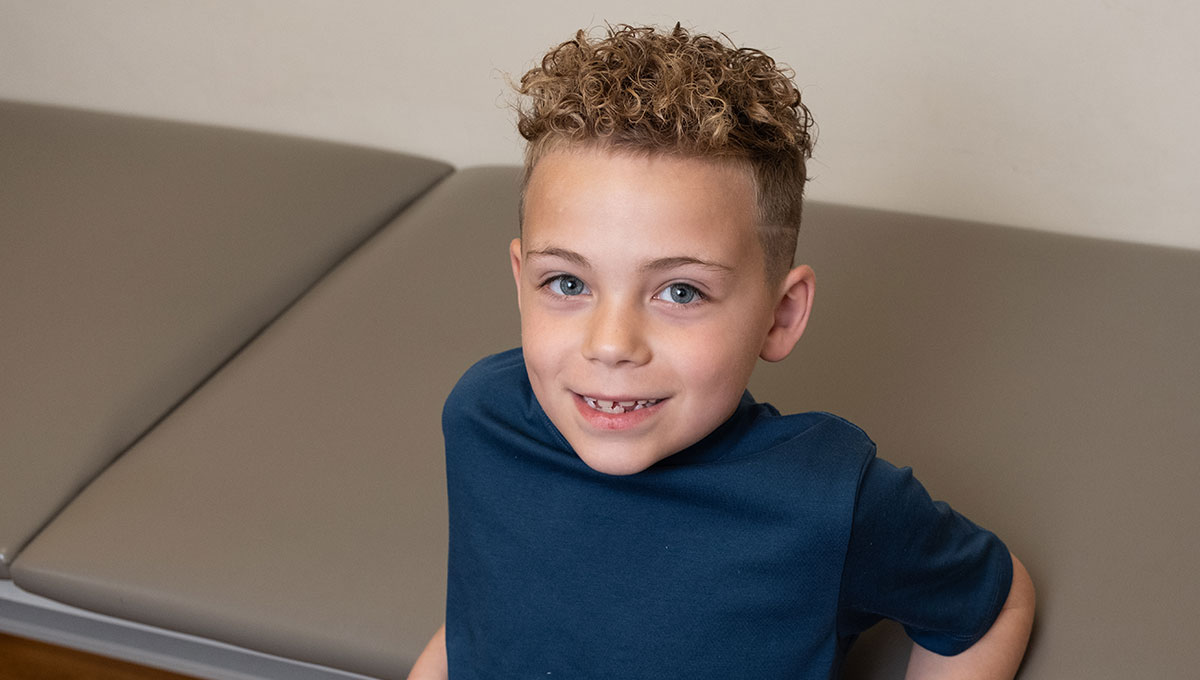
Urology
Arkansas Children's Urology provides specialized, compassionate care for children with bladder, kidney, and urinary tract conditions, offering expert diagnosis, minimally invasive treatments and personalized support across multiple clinics in Arkansas.

 Find a Doctor
 Schedule


 Overview
Jump to
Overview
Conditions
Diagnostic Tests
Health at Home
Overview
Jump to
Overview
Conditions
Diagnostic Tests
Health at Home
When a child is having bladder or urinary tract problems, their parents want answers. Urology Services at Arkansas Children's offers comprehensive testing designed to provide families with as much information as possible. A Child Life Specialist can work with patients having radiology studies.
Common tests and procedures include the following:
Computerized Tomography (CT)
DMSA Scan
Kidney, Ureters, and Bladder X-Ray (KUB)
Post Void Residual (PVR)
Renogram
Ultrasound
Urine Test
Uroflow
VCUG (Voiding Cystourethrogram)
What if my child needs surgery?
Urology Services at Arkansas Children's Hospital has repaired urological conditions for thousands of kids across the region. We provide delicate and comprehensive treatment that parents can trust.If you think your child might need surgery, he or she will be evaluated by a urologist. You can make an appointment by contacting us or ask your pediatrician for a referral.
After evaluating your child through the Urology Clinic, our specialist will recommend the best course of treatment which may include surgery. They will explain the benefits and risks to you, creating a plan that works best for your family.
If surgery is required, a surgery scheduler will work with you and the surgeon to arrange a date. To schedule surgery, please call our office at 501-364-3036.
-

Child Life
Bookmark Child LifeChild Life reduces stress and promotes positive coping using developmentally appropriate preparation, education, and play at Arkansas Children's.
-

Hospital Amenities
Bookmark Hospital AmenitiesArkansas Children's offers on-site dining, shuttle services, and gift shops, as well as discounted hotels and RV parks nearby.


 Conditions
Jump to
Overview
Conditions
Diagnostic Tests
Health at Home
Conditions
Jump to
Overview
Conditions
Diagnostic Tests
Health at Home
When a child is having bladder or urinary tract problems, their parents want answers. Urology Services at Arkansas Children's offers comprehensive testing designed to provide families with as much information as possible. A Child Life Specialist can work with patients having radiology studies.
Common tests and procedures include the following:
Computerized Tomography (CT)
DMSA Scan
Kidney, Ureters, and Bladder X-Ray (KUB)
Post Void Residual (PVR)
Renogram
Ultrasound
Urine Test
Uroflow
VCUG (Voiding Cystourethrogram)
What if my child needs surgery?
Urology Services at Arkansas Children's Hospital has repaired urological conditions for thousands of kids across the region. We provide delicate and comprehensive treatment that parents can trust.If you think your child might need surgery, he or she will be evaluated by a urologist. You can make an appointment by contacting us or ask your pediatrician for a referral.
After evaluating your child through the Urology Clinic, our specialist will recommend the best course of treatment which may include surgery. They will explain the benefits and risks to you, creating a plan that works best for your family.
If surgery is required, a surgery scheduler will work with you and the surgeon to arrange a date. To schedule surgery, please call our office at 501-364-3036.
-
Child Life
Bookmark Child LifeChild Life reduces stress and promotes positive coping using developmentally appropriate preparation, education, and play at Arkansas Children's.
-
Hospital Amenities
Bookmark Hospital AmenitiesArkansas Children's offers on-site dining, shuttle services, and gift shops, as well as discounted hotels and RV parks nearby.
 Diagnostic Tests
Jump to
Overview
Conditions
Diagnostic Tests
Health at Home
Diagnostic Tests
Jump to
Overview
Conditions
Diagnostic Tests
Health at Home
When a child is having bladder or urinary tract problems, their parents want answers. Urology Services at Arkansas Children's offers comprehensive testing designed to provide families with as much information as possible. A Child Life Specialist can work with patients having radiology studies.
Common tests and procedures include the following:
Computerized Tomography (CT)
DMSA Scan
Kidney, Ureters, and Bladder X-Ray (KUB)
Post Void Residual (PVR)
Renogram
Ultrasound
Urine Test
Uroflow
VCUG (Voiding Cystourethrogram)
What if my child needs surgery?
Urology Services at Arkansas Children's Hospital has repaired urological conditions for thousands of kids across the region. We provide delicate and comprehensive treatment that parents can trust.If you think your child might need surgery, he or she will be evaluated by a urologist. You can make an appointment by contacting us or ask your pediatrician for a referral.
After evaluating your child through the Urology Clinic, our specialist will recommend the best course of treatment which may include surgery. They will explain the benefits and risks to you, creating a plan that works best for your family.
If surgery is required, a surgery scheduler will work with you and the surgeon to arrange a date. To schedule surgery, please call our office at 501-364-3036.
-
Child Life
Bookmark Child LifeChild Life reduces stress and promotes positive coping using developmentally appropriate preparation, education, and play at Arkansas Children's.
-
Hospital Amenities
Bookmark Hospital AmenitiesArkansas Children's offers on-site dining, shuttle services, and gift shops, as well as discounted hotels and RV parks nearby.
 Health at Home
Jump to
Overview
Conditions
Diagnostic Tests
Health at Home
Health at Home
Jump to
Overview
Conditions
Diagnostic Tests
Health at Home
When a child is having bladder or urinary tract problems, their parents want answers. Urology Services at Arkansas Children's offers comprehensive testing designed to provide families with as much information as possible. A Child Life Specialist can work with patients having radiology studies.
Common tests and procedures include the following:
Computerized Tomography (CT)
DMSA Scan
Kidney, Ureters, and Bladder X-Ray (KUB)
Post Void Residual (PVR)
Renogram
Ultrasound
Urine Test
Uroflow
VCUG (Voiding Cystourethrogram)
What if my child needs surgery?
Urology Services at Arkansas Children's Hospital has repaired urological conditions for thousands of kids across the region. We provide delicate and comprehensive treatment that parents can trust.If you think your child might need surgery, he or she will be evaluated by a urologist. You can make an appointment by contacting us or ask your pediatrician for a referral.
After evaluating your child through the Urology Clinic, our specialist will recommend the best course of treatment which may include surgery. They will explain the benefits and risks to you, creating a plan that works best for your family.
If surgery is required, a surgery scheduler will work with you and the surgeon to arrange a date. To schedule surgery, please call our office at 501-364-3036.
-
Child Life
Bookmark Child LifeChild Life reduces stress and promotes positive coping using developmentally appropriate preparation, education, and play at Arkansas Children's.
-
Hospital Amenities
Bookmark Hospital AmenitiesArkansas Children's offers on-site dining, shuttle services, and gift shops, as well as discounted hotels and RV parks nearby.

Arkansas Children's MyChart
Manage your child's medical information and connect with your Arkansas Children's medical team anytime online!
Log in to MyChart